


Home Blog Page 16

The Joy of Hobbies: Finding Passion and Purpose in Leisure Activities

Hobbies are more than just a way to pass the time; they can bring joy, fulfillment, and a sense of purpose to our lives. Engaging in leisure activities that we are passionate about allows us to explore our interests, develop new skills, and find meaning outside of our daily routines.

One of the most significant benefits of having a hobby is the opportunity to pursue something that brings us joy. Whether painting, gardening, playing a musical instrument, or cooking, hobbies provide a creative outlet to express ourselves and tap into our innermost passions. This can be incredibly rewarding and even lead to accomplishment and personal growth.

Furthermore, hobbies can help us discover new talents and develop skills we may not have known we had. For example, taking up photography as a hobby can teach us about composition, lighting, and perspective. Similarly, learning to play a musical instrument can improve our hand-eye coordination and enhance our cognitive abilities. These skills can then be applied to other areas of our lives, such as our careers or personal relationships.

Moreover, hobbies can give us a sense of purpose and meaning. When we engage in activities that we are passionate about, we feel a sense of fulfillment and satisfaction. Hobbies can provide a break from the stresses of everyday life and allow us to focus on something that brings us joy. They can also help us connect with others who share similar interests, fostering a sense of community and belonging.

In conclusion, hobbies are not just a way to pass the time; they can bring immense joy, fulfillment, and purpose to our lives. By engaging in leisure activities that we are passionate about, we can explore our interests, develop new skills, and find meaning outside of our daily routines. So, whether it’s painting, gardening, playing a musical instrument, or any other hobby, don’t underestimate the power of pursuing your passions and finding joy in leisure activities.
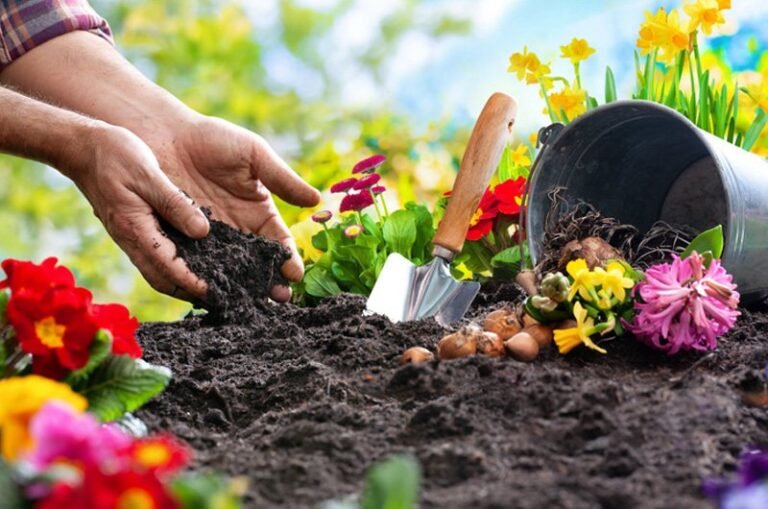

Gardening 101: Essential Tips for a Beautiful Garden

Creating a beautiful garden can be a rewarding and fulfilling experience. Whether you’re an experienced gardener or a beginner, these essential tips will help you achieve a stunning garden you can be proud of.

1. Choose the Right Plants

Before you start planting, it’s important to choose the right plants for your garden. Consider your area’s climate, soil type, and sunlight conditions. Choose plants that are suitable for these conditions to ensure healthy growth.

2. Plan Your Garden Layout

Take some time to plan your garden layout. Consider the size and shape of your garden space as well as the different areas you want to create. Plan paths, seating areas and focal points to enhance the overall design of your garden.

3. Provide Adequate Watering

Watering is vital to the health of your plants. Be sure to water them regularly, especially during dry periods. Avoid overwatering, as this can lead to root rot and other problems. Consider using a drip irrigation system to ensure efficient watering.

4. Mulch Your Garden Beds

Adding mulch to your garden beds has several benefits. It helps retain moisture in the soil, suppresses weed growth, and regulates soil temperature. Use organic mulch, such as wood chips or straw, to improve the health and appearance of your garden.

5. Regularly Maintain Your Garden

Adding mulch to your garden beds has several benefits. It helps retain moisture in the soil, suppresses weed growth, and regulates soil temperature. Use organic mulch, such as wood chips or straw, to improve the health and appearance of your garden.

6. Consider Companion Planting

Companion planting involves grouping plants that benefit each other. For example, planting marigolds with vegetables can help deter pests. Research companion planting combinations to maximize your garden’s health and productivity.

By following these essential tips, you can create a beautiful garden that will be the envy of your neighbors. Remember to be patient and enjoy the gardening process, as it is a journey that evolves.

Digital Detox: Reconnecting with the Real World in a Hyperconnected Age

In today’s hyper-connected age, it’s easy to become overwhelmed by the constant stream of information and notifications that bombard us daily. Our smartphones, tablets, and laptops have become extensions of ourselves, keeping us constantly connected in the digital world. Although this connection has its benefits, it is necessary to disconnect and reconnect with the real world.

A digital detox is when you intentionally disconnect from your devices and focus on being present in the moment. It’s an opportunity to leave the virtual world and engage with the physical world around you. Taking a break from technology can reduce stress, improve sleep, and improve overall health.

During a digital detox, you can engage in activities that allow you to reconnect with the real world. Spend time outside, take a walk, or observe your natural surroundings. Engage in hobbies or activities that bring you joy and fulfillment. Take time to have meaningful conversations with loved ones without the distraction of screens.

Disconnecting from technology can also help you develop mindfulness and be more present in your everyday life. Instead of constantly checking your phone or scrolling through social media, you can focus on the present moment and fully engage in whatever you do. It can increase productivity, improve relationships, and create a greater sense of fulfillment.

While a complete digital detox may not be possible for everyone, small changes can make a big difference. Consider implementing technology-free zones or designated times when you disconnect from your devices. Set boundaries with technology and prioritize activities that nurture your mind, body, and spirit.

Finally, in our hyper-connected age, it’s essential to disconnect from technology and reconnect with the real world. A digital detox can help reduce stress, improve well-being, and increase our overall quality of life. We can find balance in this hyper-connected world by prioritizing activities that nurture our mind, body, and spirit.

Creating a Sustainable Home: Eco-Friendly Tips for Green Living

Living in a sustainable home is not only beneficial for the environment, but it can also improve your quality of life. By making eco-friendly choices, you can reduce your carbon footprint and contribute to a greener future. Here are some tips to help you create a sustainable home:

1. Energy-efficient appliances

Invest in energy-efficient appliances that consume less electricity. Look for the Energy Star label when purchasing new appliances, as they are designed to be more energy-efficient and can significantly reduce your energy consumption.

2. Renewable energy sources

Consider using renewable energy sources such as solar panels or wind turbines to power your home. These alternatives can help you reduce your reliance on fossil fuels and lower your energy bills in the long run.

3. Efficient insulation

Proper insulation is key to maintaining a comfortable temperature in your home. Good insulation can reduce the need for excessive heating or cooling, thereby reducing your energy consumption.

4. Water conservation

Install low-flow faucets and showerheads to minimize water wastage. Collect rainwater in barrels and use it for watering your plants or cleaning purposes. Fix any leaks promptly to avoid water wastage.

5. Sustainable materials

When renovating or building your home, opt for sustainable materials such as bamboo flooring, recycled glass countertops, or reclaimed wood. These materials are not only eco-friendly but also add a unique touch to your home’s aesthetics.

6. Composting and recycling

Start composting your kitchen scraps and yard waste to create nutrient-rich soil for your garden. Additionally, make recycling a habit by sorting your waste into different bins for paper, plastic, glass, and metal.

7. Natural lighting and ventilation

Maximize natural lighting by opening curtains and blinds during the day. This will reduce the need for artificial lighting and lower your energy consumption. Similarly, ensure proper ventilation to minimize the use of air conditioning.

By implementing these eco-friendly tips, you can create a sustainable home that not only benefits the environment but also saves you money in the long run. Small changes can make a big difference, so start incorporating these practices into your daily life and contribute to a greener future.

Empowering Teachers: Strategies for Classroom Management and Engagement

Effective classroom management and student engagement are critical to creating a positive learning environment. Teachers play an essential role in empowering students and promoting their academic growth. Teachers can enhance classroom management and ensure active student participation by implementing various strategies.

Establishing Clear Expectations

An essential aspect of effective classroom management is setting clear expectations. Teachers should communicate their rules, routines, and outcomes to students. By setting clear guidelines, students understand what is expected of them and can actively participate in learning.

Building Positive Relationships

Building positive relationships with students is essential to classroom management and engagement. Teachers must create a supportive and inclusive environment where students feel valued and respected. Teachers can encourage students to participate and contribute to classroom discussions actively by building trust and rapport.

Implementing Active Learning Strategies

Engaging students in the learning process is critical to their academic success. Teachers can incorporate active learning strategies such as group work, hands-on activities, and interactive discussions. These strategies promote student engagement and develop critical thinking skills.

Using Technology as a Tool

Integrating technology into the classroom can increase student engagement and classroom management. Teachers can use educational apps, online resources, and interactive tools to make learning more interactive and fun. By leveraging technology, teachers can cater to different learning styles and provide personalized learning experiences.

Providing Timely Feedback

Regular and timely feedback is essential for student growth and motivation. Teachers should provide students with constructive feedback, highlighting their strengths and areas for improvement. Teachers can empower students and encourage active participation by addressing individual needs and recognizing student achievement.

In conclusion, effective classroom management and student engagement are essential for creating a positive learning environment. By establishing clear expectations, building positive relationships, implementing active learning strategies, using technology as a tool, and providing timely feedback, teachers can empower students and foster their academic growth.

The Power of Positive Thinking: Transforming Your Mindset

Our mindset plays a crucial role in shaping our lives. The power of positive thinking is undeniable when transforming our perspective and, ultimately, our outcomes. By adopting a positive attitude, we can overcome challenges, achieve our goals, and live a more fulfilling life.

Positive thinking is not about ignoring the negative aspects of life or pretending that everything is perfect. It is about approaching life’s challenges with an optimistic attitude. When we focus on the positive aspects of a situation, we are more likely to find solutions and opportunities for growth.

One of the key benefits of positive thinking is improved mental and emotional well-being. When we think positively, we reduce stress, anxiety, and depression. Positive thinking also boosts our self-confidence and resilience, enabling us to bounce back from setbacks and persevere in adversity.

Positive thinking also has a profound impact on our relationships. When we approach interactions with a positive mindset, we are more likely to build strong and meaningful connections with others. Positivity is contagious, and by radiating positivity, we can inspire and uplift those around us.

So, how can we cultivate a positive mindset? It starts with self-awareness and consciously choosing positive thoughts. Surrounding ourselves with positive influences, practicing gratitude, and engaging in activities that bring us joy can also help shift our mindset toward positivity.

Remember, transforming our mindset is a journey that requires effort and consistency. It may take time to rewire our thinking patterns, but the power of positive thinking is worth the investment. By embracing positivity, we can unlock our full potential and create a life filled with happiness and success.

Navigating the World of Wellness: From Self-Care to Mindfulness

In recent years, wellness has become a buzzword, but what does it mean? In a world filled with stress and constant distractions, taking care of our physical and mental well-being has become more critical. There are various ways to navigate the vast world of wellness, from self-care practices to mindfulness techniques.

Self-Care

Self-care is all about prioritizing your own needs and taking time to nurture yourself. It can include exercising, eating nutritious meals, getting enough sleep, and practicing relaxation techniques. Self-care is not selfish—it is essential to maintain a healthy lifestyle and prevent burnout.

Mindfulness

Mindfulness is the practice of being fully present and aware of the present moment. It involves paying attention to your thoughts, feelings, and sensations without judgment. Mindfulness can be cultivated through various activities, such as meditation, deep breathing exercises, and mindful eating. Practicing mindfulness can reduce stress, improve focus, and enhance overall well-being.

Holistic Approaches

In addition to self-care and mindfulness, other holistic approaches to wellness focus on the interconnectedness of the mind, body, and spirit. These approaches include yoga, acupuncture, aromatherapy, and energy healing. They aim to promote balance and harmony within the individual.

Seeking Professional Guidance

While many resources are available online and in books, navigating the world of wellness on your own can be overwhelming. Seeking professional guidance from a wellness coach, therapist, or holistic practitioner can provide personalized support and advice on your wellness journey.

Remember, wellness is a journey, not a destination. It’s essential to find what works best for you and to approach it with an open mind. By incorporating self-care, mindfulness, and other holistic approaches into your life, you can confidently enhance your overall well-being and navigate the world of wellness.

Inclusive Education: Ensuring Equal Opportunities for All Students

Education is a fundamental right that should be accessible to everyone, regardless of their abilities or disabilities. Inclusive education is a philosophy that promotes equal opportunities for all students, irrespective of their diverse needs or backgrounds.

One of the fundamental principles of inclusive education is that every student should be welcomed and included in mainstream classrooms. This means that students with disabilities, learning difficulties, or special needs should not be segregated or placed in separate classrooms. Instead, they should receive the necessary support and accommodations to participate fully in regular classroom activities.

Inclusive education benefits not only students with disabilities but also their peers. It fosters a sense of empathy, understanding, and acceptance among students, promoting a more inclusive and diverse society. By learning together, students develop social skills and learn to appreciate differences, which prepares them for the real world.

Teachers play a crucial role in implementing inclusive education. They must create a supportive and inclusive classroom environment where every student feels valued and respected. This involves adapting teaching strategies and materials to meet the diverse needs of students, providing individualized support, and fostering a sense of belonging.

Furthermore, inclusive education requires collaboration among teachers, parents, and other professionals. By working together, they can identify and address the unique needs of each student, ensuring that they receive the necessary accommodations and support to succeed academically and socially.

Inclusive education is not just about providing equal opportunities in education; it is about creating a society that embraces diversity and values inclusion. By ensuring that all students have access to quality education, we are building a more equitable and inclusive future for everyone.

The Impact of COVID-19 on Education: Lessons Learned and Moving Forward

The COVID-19 pandemic has had a profound impact on education systems around the world. Schools and universities have faced unprecedented challenges, forcing educators, students, and parents to adapt to new ways of teaching and learning. As we reflect on the past year and the lessons learned, it is clear that the pandemic has highlighted our education systems’ strengths and weaknesses.

Remote Learning: A New Normal

One of the most significant changes brought about by COVID-19 is the widespread adoption of remote learning. Schools and universities quickly transitioned to online platforms, allowing students to continue their education from the safety of their homes. While this shift has been challenging, it has also opened up new possibilities for flexible learning and access to education for students who may have previously faced barriers.

Addressing Inequities

The pandemic has also exposed and exacerbated existing inequities in education. Many students, particularly those from disadvantaged backgrounds, have struggled to access online learning due to a lack of internet connectivity or devices. As we move forward, it is crucial to address these inequities and ensure that all students have equal learning opportunities, regardless of socioeconomic status.

The Importance of Mental Health

The pandemic has taken a toll on the mental health of students and educators alike. The isolation, uncertainty, and increased workload have contributed to heightened levels of stress and anxiety. Moving forward, it is essential to prioritize mental health support in education systems, providing resources and services to help students and educators cope with their challenges.

Embracing Innovation

The pandemic has forced us to think outside the box and embrace innovation in education. From virtual classrooms to online collaboration tools, educators have had to adapt quickly to ensure continuity in learning. As we move forward, building on these innovations and exploring new ways of engaging students and enhancing the learning experience is important.

In conclusion, the COVID-19 pandemic has profoundly impacted education, highlighting both the strengths and weaknesses of our systems. Moving forward, we must learn from the past year’s lessons and work towards building more resilient, inclusive, and innovative education systems that prioritize the well-being and success of all students.