

Home Blog Page 14

The Evolving Role of Artificial Intelligence in Healthcare

Artificial intelligence (AI) has revolutionized various industries, and healthcare is no exception. With its ability to process large amounts of data and perform complex tasks, AI is changing how healthcare professionals diagnose, treat, and manage diseases.

One of the key areas where AI is making a significant impact is medical imaging. AI algorithms can analyze medical images, such as X-rays and MRIs, with incredible accuracy, helping radiologists detect abnormalities and make more accurate diagnoses. This improves patient outcomes and reduces the burden on healthcare providers.

AI is also being used to develop personalized treatment plans. By analyzing patient data, AI algorithms can identify patterns and predict the effectiveness of different treatment options. This enables healthcare professionals to tailor treatments to individual patients, improving the likelihood of a successful outcome.

Another area where AI is proving invaluable is drug discovery and development. Traditional methods of drug discovery are time-consuming and expensive. AI algorithms can analyze vast amounts of data and identify potential drug candidates much faster, speeding up drug development and bringing new treatments to market more quickly. Is.

Additionally, AI-powered chatbots and virtual assistants enhance patient care and access to healthcare services. These tools can provide patients with personalized medical advice, answer common health questions, and schedule appointments. This improves patient satisfaction and frees up healthcare professionals’ time to focus on more complex matters.

While AI offers enormous potential in healthcare, concerns about data privacy, ethics, and the potential for bias in AI algorithms must be addressed. The right balance between human expertise and AI capabilities is critical to ensure optimal patient outcomes.

Finally, AI plays an increasingly important role in healthcare, changing how diseases are diagnosed, treated, and managed. From medical imaging to personalized treatment plans and drug discovery, AI is revolutionizing healthcare and improving patient outcomes.


Online Learning vs. Traditional Education: Pros and Cons

Education plays a vital role in shaping our future, and with technological advances, learning options have expanded beyond the confines of traditional classrooms. Online learning has become a popular alternative to traditional education, offering flexibility and convenience. However, both methods have their advantages and disadvantages.

Online Learning:

One of the main advantages of online learning is that it gives students access to course content and lectures at their convenience, allowing them to balance their studies with other commitments. Additionally, online learning eliminates geographical barriers, allowing students to learn from anywhere.

Another benefit of online learning is the wide range of course options available. Students can choose from various subjects and programs, allowing them to pursue their interests and career goals. Online learning also promotes self-discipline and time management skills, as students must be responsible for their learning.

However, online learning has some drawbacks. Lack of face-to-face interaction can make it difficult for students to engage with their peers and teachers. Additionally, some students may struggle with the lack of structure and motivation that traditional classrooms provide.

Traditional Education:

Traditional education, on the other hand, provides a structured learning environment with face-to-face interaction. It allows quick feedback and clarification of concepts. Additionally, traditional education provides opportunities for social interaction, fostering cooperation and teamwork skills.

Another advantage of traditional education is the presence of experienced teachers who can guide and mentor students. In a classroom setting, students can benefit from the expertise and knowledge of their teachers, who can provide personalized attention and support.

However, traditional education has its limitations. This often requires students to follow a fixed schedule, which may not suit everyone. Additionally, tuition and other costs associated with attending a physical institution can be a significant barrier for some individuals.

Conclusion:

There is no one-size-fits-all answer when choosing between online learning and traditional education. It ultimately depends on individual preferences, learning styles and circumstances. Online learning offers flexibility and a wide range of options, while traditional education provides structure and face-to-face interaction. By considering the pros and cons of each approach, students can make an informed decision that best suits their goals and needs.

Aging Gracefully: Tips for Maintaining Health and Vitality

Ageing is a natural process that everyone goes through, but that doesn’t mean we can’t take steps to maintain our health and vitality as we age. With a few simple lifestyle changes, we can age gracefully and enjoy a higher quality of life in our golden years.

Eat a Balanced Diet

A healthy diet is essential for maintaining good health and vitality as we age. Include a variety of fruits, vegetables, whole grains, lean proteins, and healthy fats in your meals. Avoid processed foods and limit your intake of sugar, salt, and saturated fats.

Stay Physically Active

Regular exercise is vital to maintaining strength, flexibility, and overall health. Engage in activities you enjoy, such as walking, swimming, yoga, or dancing. Aim for at least 30 minutes of moderate-intensity exercise most days of the week.

Get Enough Sleep

Adequate sleep is crucial for our physical and mental well-being. Aim for 7-8 hours of quality sleep each night. Establish a bedtime routine, create a comfortable sleep environment, and limit caffeine and electronic devices before bed.

Stay Mentally Active

Keep your brain sharp by engaging in activities that challenge your mind. Read books, solve puzzles, learn new skills, or take up a hobby. Socialize with friends and family to stimulate your brain and prevent cognitive decline.

Manage Stress

Chronic stress can take a toll on our health and accelerate ageing. Find healthy ways to manage stress, such as practising relaxation techniques, engaging in hobbies, spending time in nature, or seeking support from loved ones or professionals.

Stay Hydrated

Proper hydration is essential for our overall health and vitality. Drink plenty of water throughout the day and limit your intake of sugary beverages. Hydrating your body helps maintain healthy skin, digestion, and organ function.

Visit Your Healthcare Provider Regularly

Regular check-ups with your healthcare provider are crucial for early detection and prevention of age-related health issues. Stay current with vaccinations, screenings, and recommended health tests to ensure optimal health and well-being.

Adopting these simple tips allows you to age gracefully and maintain your health and vitality as you age. Remember, it’s never too late to start caring for yourself and making positive changes for a healthier and happier future.

Addressing the Homework Debate: Effective Strategies for Students

In recent years, homework has sparked a heated debate among teachers, parents, and students. While some argue that reading is necessary to reinforce learning and promote discipline, others believe it can be burdensome and counterproductive. Regardless of where you stand on the issue, there are effective strategies that students can use to get the most out of their homework assignments.

First and foremost, it is essential to establish a consistent routine for students. Setting aside specific time each day for homework can help create a sense of structure and ensure that assignments are completed on time. Additionally, finding a quiet, relaxing study space can increase focus and productivity.

Another critical strategy is to break assignments into manageable chunks. Instead of tackling everything at once, students can break their work into smaller tasks. This approach makes the workload more manageable and allows for better understanding and retention of content.

Additionally, asking for help and clarification when needed is very important. Students struggling with a particular concept or assignment should not hesitate to ask their teacher or classmates for help. There are also many online resources and tutoring services available that can provide additional support.

Additionally, students need to prioritize their assignments based on deadlines and importance. By creating a schedule or to-do list, students can manage their time effectively and ensure that they complete their work on time.

Finally, it’s essential to take breaks and practice self-care. Homework can be mentally and physically draining, so students must take regular intervals to rest and recharge. Activities promoting relaxation and stress relief, such as exercise or hobbies, can also help improve focus and overall health.

Finally, students can implement effective strategies to navigate their assignments while homework is being discussed. Students can maximize their learning potential and achieve academic success by establishing routines, breaking down tasks, asking for help, prioritizing projects, and practicing self-care.

Gender Equality in Sports: Breaking Barriers and Shattering Stereotypes

Sports have long been seen as a male-dominated field, with women often facing barriers and stereotypes that limit their participation and recognition. However, the tide is turning, and gender equality in sports is becoming a prominent issue today.

One of the critical aspects of achieving gender equality in sports is breaking down the barriers that prevent women from participating at all levels. This includes providing equal opportunities for girls and women to engage in sports from a young age, ensuring access to training facilities and resources, and promoting female role models in the sporting world.

Another vital aspect is shattering the stereotypes that have long been associated with women in sports. The notion that women are not as physically capable as men or that certain marks are only suitable for one gender must be challenged. By showcasing the incredible achievements of female athletes and highlighting their skills and abilities, we can change these perceptions and create a more inclusive and diverse sporting environment.

Gender equality in sports also extends to the realm of leadership and decision-making. It is crucial to have equal representation of women in positions of power within sports organizations and governing bodies. This ensures that women have a voice in shaping policies and decisions that affect their participation and advancement in the sporting world.

While progress has been made, there is still work to achieve equality in sports. It requires the collective efforts of athletes, coaches, administrators, and fans to challenge the status quo, advocate for change, and create a more inclusive and equitable sporting landscape.

Breaking barriers and shattering stereotypes can pave the way for a future where gender equality in sports is the norm rather than the exception.

Home Office Gadgets: Boosting Productivity and Comfort

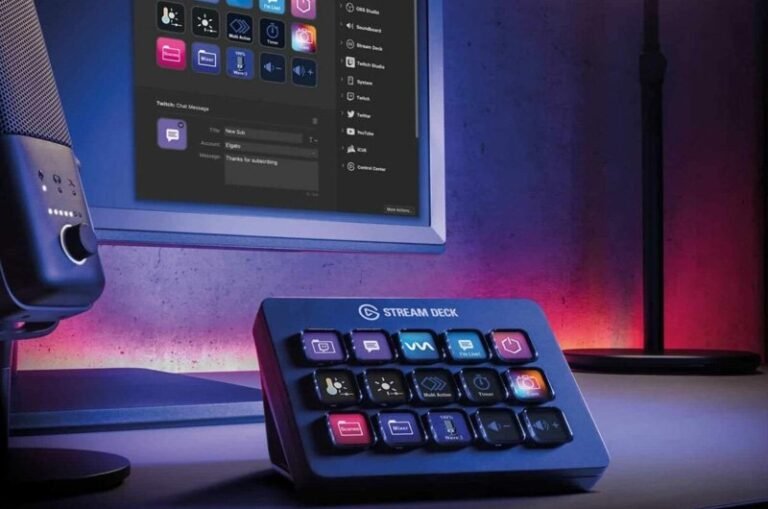
In recent years, the concept of working from home has gained significant popularity. With the advancements in technology, more and more people are opting for the comfort and flexibility of a home office. However, setting up an efficient and comfortable workspace at home can be a challenge. That’s where home office gadgets come in.

Investing in the right gadgets can not only enhance productivity but also improve comfort during long hours of work. Here are a few must-have home office gadgets that can help boost your productivity and create a more comfortable working environment.

1. Ergonomic Chair: A comfortable and supportive chair is essential for long hours of sitting. Look for an ergonomic chair that provides proper lumbar support and adjustable features to ensure a healthy posture.

2. Adjustable Standing Desk: Sitting for prolonged periods can lead to various health issues. An adjustable standing desk allows you to switch between sitting and standing positions, promoting better blood circulation and reducing the risk of back pain.

3. Dual Monitor Setup: Increase your productivity by adding a second monitor to your home office setup. This allows you to have multiple windows open simultaneously, making multitasking easier and more efficient.

4. Wireless Keyboard and Mouse: Say goodbye to tangled wires and enjoy the freedom of movement with a wireless keyboard and mouse. This allows you to work comfortably from any position without restrictions.

5. Noise-Canceling Headphones: Minimize distractions and create a focused work environment with noise-canceling headphones. They block out external noise, allowing you to concentrate on your tasks without interruptions.

6. Smart Lighting: Proper lighting is crucial for a productive workspace. Invest in smart lighting that allows you to adjust the brightness and color temperature to suit your needs, promoting a more comfortable and energizing atmosphere.

7. Cable Management Solutions: Keep your workspace organized and clutter-free with cable management solutions. These gadgets help to keep cables neatly organized and prevent them from tangling or getting in your way.

By incorporating these home office gadgets into your workspace, you can create a more productive and comfortable environment. Remember to choose gadgets that suit your specific needs and preferences to optimize your work-from-home experience.

The Science of Sleep: Unlocking the Secrets to a Good Night’s Rest

Sleep is a fundamental aspect of our lives, yet many of us struggle to get a good night’s rest. Understanding the science behind sleep can help us unlock the secrets to achieving restful sleep.

The Sleep Cycle

Our sleep is divided into stages that make up a complete sleep cycle. These stages include light sleep, deep sleep, and REM (rapid eye movement) sleep. Each phase plays a vital role in restoring and rejuvenating our bodies.

The Importance of Circadian Rhythms

Circadian rhythms are our internal biological clocks that regulate our sleep-wake cycles. External cues, such as light and darkness, influence these rhythms. Maintaining a consistent sleep schedule and creating a conducive environment can help regulate our circadian rhythms and improve sleep quality.

The Role of Melatonin

Melatonin, a hormone that regulates our sleep-wake cycle, is produced by the pineal gland in response to darkness, aiding in the process of falling asleep. To enhance melatonin production and promote better sleep, individuals can establish a relaxing bedtime routine and avoid bright lights, particularly from electronic devices.

The Impact of Sleep on Overall Health

Getting enough quality sleep is essential to our overall health and well-being. Lack of sleep has been linked to several health problems, including obesity, diabetes, heart disease and mental health disorders. Prioritizing sleep and implementing healthy sleep habits can positively impact physical and psychological health.

Tips for a Better Night’s Sleep

Here are some tips to improve your sleep quality:

  • Stick to a consistent sleep schedule
  • Create a sleep-friendly environment
  • Avoid caffeine and stimulants close to bedtime
  • Engage in regular physical activity
  • Manage stress and practice relaxation techniques

Understanding sleep science and implementing healthy sleep habits can unlock the secrets to a good night’s rest and waking up refreshed and rejuvenated.

Space Exploration 2.0: A New Era of Space Travel

Space exploration has always captivated the human imagination, pushing the boundaries of what is possible and expanding our understanding of the universe. Now, we stand on the brink of a new era in space travel – Space Exploration 2.0.

One of the most exciting developments in space exploration 2.0 is the rise of private space companies. Led by visionary entrepreneurs like Elon Musk and Jeff Bezos, these companies are revolutionizing the industry. They are developing reusable rockets, lowering the cost of space travel, and opening up new opportunities for exploration and research.

Another critical aspect of Space Exploration 2.0 is the focus on sustainability. As we advance into space, we must minimize our impact on celestial bodies and preserve the universe’s integrity. Companies are now designing spacecraft with sustainable materials and technologies, ensuring we leave as little footprint as possible as we explore new frontiers.

Advances in technology have also played an essential role in space exploration 2.0. We now have more powerful telescopes and sensors that can take detailed pictures of distant planets and galaxies. Artificial intelligence and machine learning are used to analyze vast amounts of data, helping scientists make important discoveries.

Furthermore, international cooperation has become a cornerstone of space exploration 2.0. Countries are pooling their resources and expertise to carry out ambitious missions. The International Space Station is a prime example of successful collaboration, in which astronauts from different countries work together to research and advance our knowledge of space.

Space exploration 2.0 represents a new chapter in our quest to understand the universe and our place in it. With private companies at the forefront, sustainability, technology, and international collaboration, we are on the brink of unprecedented breakthroughs in space travel. As we embark on this exciting journey, the possibilities are endless.

The Evolution of Gaming Gadgets: From Atari to Virtual Reality

Introduction: The gaming industry has undergone a remarkable transformation over the decades, marked by the evolution of gaming gadgets that have redefined entertainment and immersive experiences. From the rudimentary beginnings of consoles like Atari to the groundbreaking advent of virtual reality (VR) technology, the evolution of gaming gadgets has continually pushed the boundaries of innovation, transforming the way we play and interact with games.

  1. Atari 2600 – Pioneering Home Gaming

    The Atari 2600 stands as a cornerstone in gaming history, popularizing home gaming consoles in the late ’70s and early ’80s. With its iconic joystick and simple yet engaging games like “Pac-Man” and “Space Invaders,” it revolutionized how people experienced video games, bringing arcade-like entertainment into households and laying the foundation for the gaming industry.

  2. Nintendo Entertainment System (NES) – Shaping Console Gaming

    The release of the Nintendo Entertainment System (NES) in the mid-’80s marked a significant leap in gaming technology. It introduced iconic franchises like “Super Mario Bros.” and “The Legend of Zelda,” setting a standard for console gaming with its innovative controller design and diverse game library. The NES not only revived the industry after the video game crash but also established Nintendo as a key player in the gaming market.

  3. PlayStation and Xbox – Console Wars and Advancements

    The rivalry between Sony’s PlayStation and Microsoft’s Xbox defined a new era of gaming in the late ’90s and early 2000s. The PlayStation series, starting with the original PlayStation, introduced 3D graphics and CDs, while the Xbox lineup brought about online gaming and introduced a new level of connectivity. Subsequent generations of both consoles continued to push the boundaries of graphics, processing power, and immersive gaming experiences.

  4. Virtual Reality (VR) Headsets – Immersive Gaming Worlds

    The emergence of VR technology in recent years has revolutionized gaming, offering unparalleled immersion and interactivity. Devices like the Oculus Rift, HTC Vive, and PlayStation VR have allowed players to step into virtual worlds, providing an immersive experience that transcends traditional gaming. The ability to interact with environments and experience games in 360 degrees has opened up new possibilities for storytelling and gameplay.

Conclusion: The evolution of gaming gadgets, from the humble beginnings of Atari to the immersive realms of virtual reality, showcases a journey marked by innovation, technological advancements, and a continuous quest for enhanced gaming experiences. Each milestone in gaming gadgetry has shaped the industry, catering to evolving consumer demands and pushing the boundaries of what’s possible. As technology continues to evolve, the future of gaming gadgets promises even more immersive, realistic, and captivating experiences, further blurring the lines between the virtual and the real.

Wearable Technology: From Fitness Trackers to Smartwatches

Wearable technology has become increasingly popular in recent years, with a wide range of devices now available on the market. From fitness trackers to smartwatches, these innovative gadgets have revolutionized the way we live, work, and stay connected.

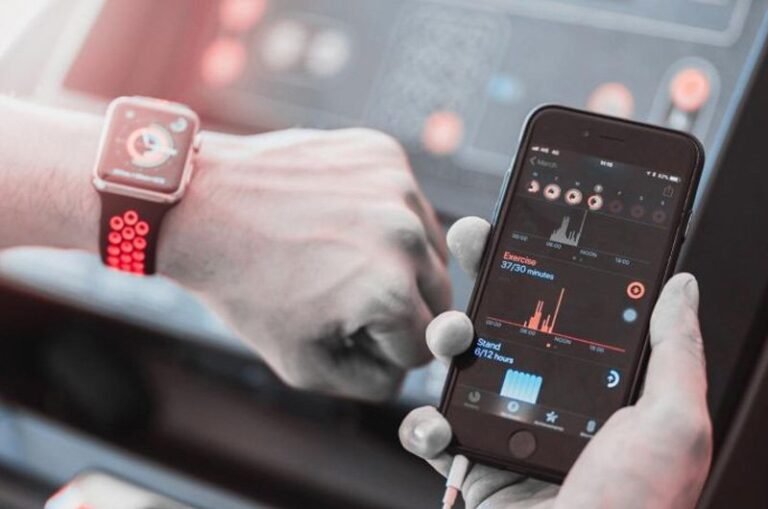
Fitness trackers are one of the most common types of wearable technology. These devices are designed to monitor and track various aspects of your health and fitness, such as steps taken, calories burned, heart rate, and sleep patterns. They provide valuable insights into your daily activity levels and can help you set and achieve your fitness goals.

Smartwatches, on the other hand, offer a multitude of features beyond fitness tracking. They can display notifications from your smartphone, allowing you to stay connected without constantly checking your phone. You can receive calls, read messages, and even control your music right from your wrist. Some smartwatches also have built-in GPS, allowing you to track your runs or bike rides without needing to carry your phone.

Another emerging trend in wearable technology is the integration of health monitoring features. Some devices can measure blood pressure, oxygen levels, and even detect irregular heart rhythms. These features are particularly useful for individuals with specific health conditions or those who want to monitor their overall well-being more closely.

Wearable technology is not limited to fitness and health-related applications. Some devices are designed for specific industries, such as construction or logistics, to improve worker safety and efficiency. Others focus on entertainment, with virtual reality headsets providing immersive gaming and multimedia experiences.

As technology continues to advance, we can expect even more exciting developments in the world of wearable technology. Whether it’s improving our health, enhancing our productivity, or simply making our lives more convenient, these devices are here to stay. So, if you haven’t already, it might be time to consider incorporating wearable technology into your daily routine.