

Home Blog Page 8

Mindful Eating: How to Cultivate a Healthy Relationship with Food

Our relationship with food plays a vital role in our overall well-being. Mindful eating is a practice that allows us to develop a healthier and more conscious approach to our food choices. It involves paying attention to the present moment, being aware of our physical and emotional sensations, and making intentional decisions about what and how we eat.

One of the fundamental principles of mindful eating is eating slowly and savouring each bite. By taking the time to fully experience the taste, texture, and aroma of our food, we can better appreciate the nourishment it provides. This also allows our bodies to properly digest and absorb the nutrients, leading to better digestion and overall satisfaction.

Another aspect of mindful eating is awareness of our hunger and fullness cues. We must listen to our bodies and eat when hungry rather than eating out of habit or emotional triggers. Similarly, we should stop eating when we are comfortably full rather than overeating or mindlessly finishing our plates.

Choosing whole, unprocessed foods is another critical component of mindful eating. These foods are typically more nutritious and provide a greater sense of satisfaction compared to processed foods. Focusing on fresh fruits and vegetables, whole grains, lean proteins, and healthy fats can nourish our bodies and support our overall health.

Mindful eating also involves awareness of our emotions and how they influence our food choices. Many of us turn to food for comfort or to cope with stress. We can develop a healthier relationship with food by recognizing these patterns and finding alternative ways to address our emotions, such as through exercise, journaling, or talking to a supportive friend.

We are incorporating mindfulness practices, such as deep breathing or meditation, before meals to help us become more present and focused on our eating experience. By slowing down and being fully present, we can better tune into our body’s signals and make choices that align with our health goals.

In conclusion, mindful eating is a powerful tool for cultivating a healthy relationship with food. By being present, listening to our bodies, choosing nourishing foods, and addressing our emotions, we can develop a more balanced and satisfying approach to eating.


The Rise and Fall of Facebook: How the Social Media Giant Became a Target of Scrutiny, Criticism, and Regulation.

From its inception in a Harvard dorm room in 2004 to its unparalleled global reach by the 2020s, Facebook has been a central figure in the digital age. However, the very elements that propelled its success—unprecedented user engagement, sophisticated algorithms, and vast data collection—became focal points of intense scrutiny. Here’s a snapshot of Facebook’s journey from a celebrated innovator to a subject of global criticism.

The Rise

  1. Unprecedented Growth: Founded by Mark Zuckerberg, Facebook quickly expanded beyond Harvard, connecting college campuses and, eventually, the wider public. By 2012, it boasted a billion users.
  2. More Than Just Profiles: Facebook expanded its ecosystem by acquiring platforms like Instagram and WhatsApp and delving into virtual reality with the purchase of Oculus VR.
  3. Ad Revenue and Profitability: Through targeted ads, Facebook turned its massive user base into a highly profitable venture, drawing businesses from around the world to advertise on its platform.

The Turning Point

However, with great power came greater responsibility—a responsibility critics argue Facebook often shirked.

  1. Data Privacy Concerns: The 2018 Cambridge Analytica scandal was a watershed moment. It was revealed that the data of millions of users was harvested without explicit consent and used for targeted political advertising.
  2. Misinformation and Fake News: Facebook’s algorithms, designed to prioritize engaging content, often amplified sensationalist, misleading, or even false news, leading to widespread criticism.
  3. Mental Health and Well-being: Studies began highlighting the negative impact of prolonged social media use on mental health, especially among teens. This was further exacerbated by revelations from internal whistleblowers, suggesting Facebook was aware of these effects but often prioritized growth and engagement.
  4. Antitrust Allegations: Facebook’s immense power in the digital space led to numerous antitrust probes. Regulators and critics argued that the company used its dominant position to stifle competition.

The Fall and Rebranding

Facing mounting scrutiny, Facebook sought to reposition itself.

  1. Meta and the Metaverse: In a dramatic shift in 2021, Facebook Inc. rebranded itself to “Meta,” signaling its focus on building the metaverse—a collective virtual shared space. Some saw this move as an attempt to pivot from the controversies.
  2. Regulation and Oversight: Governments worldwide began taking action. From hefty fines by regulatory bodies to discussions about revising Section 230 in the U.S., which provides platforms like Facebook immunity from content posted by users, the landscape became increasingly challenging for Meta.

In conclusion, Facebook’s journey encapsulates the challenges of the digital age: the balance between innovation and ethics, power and responsibility, and commerce and community. As the company ventures into the realm of the metaverse, only time will tell if it can navigate these challenges more adeptly than it did in the realm of social media.

The Mystery of the Havana Syndrome: What We Know and Don’t Know About the Mysterious Illness Affecting US Diplomats and Spies.

The “Havana Syndrome” – a term coined after US diplomats in Havana began reporting unexplained illnesses in late 2016 – remains one of the most baffling and contentious medical mysteries today. As of 2023, the syndrome has affected over 200 U.S. officials and their families stationed not just in Cuba but in various parts of the world, including China, Russia, and even within the U.S. The sudden onset of its varied symptoms, from headaches to cognitive issues, has alarmed and puzzled experts. Here’s a breakdown of what we currently know – and don’t know – about this mysterious condition.

What We Know

  1. Symptoms: Affected individuals have reported a wide range of symptoms, including hearing high-pitched sounds or feeling pressure or vibrations, followed by health issues like dizziness, tinnitus, visual problems, cognitive difficulties, and even long-term brain injuries.
  2. Not Limited to Cuba: While initially reported in Havana, cases have emerged from various countries, indicating that this isn’t an issue isolated to one location.
  3. Multiple Theories: There are several hypotheses regarding the cause. Some speculate it could be a form of sonic or microwave attack, while others consider environmental factors or even psychosomatic responses.
  4. High Profile Concern: The issue has reached the highest levels of the U.S. government, with investigations commissioned by the State Department, CIA, and the Pentagon. Reports from the National Academy of Sciences have indicated that “directed, pulsed radiofrequency energy” is the most plausible explanation for the symptoms, though no conclusive evidence has been found.

What We Don’t Know

  1. The Source: The origin of the syndrome remains a mystery. While some suspect adversarial foreign governments, no direct evidence has linked any country to the syndrome.
  2. The Technology (if any): If the Havana Syndrome is indeed the result of a deliberate attack, the Technology behind it remains unidentified. The idea of a “sonic weapon” or “microwave weapon” is primarily speculative.
  3. Inconsistencies in Reports: The wide range of symptoms and their varying severity have made it challenging to pin down a consistent profile for the syndrome. Some critics argue that the inconsistency suggests psychological factors might be at play.
  4. Prevention and Treatment: As the cause remains uncertain, devising preventive measures or treatments has been challenging. Affected individuals receive care based on their symptoms, but a specific cure or treatment protocol is lacking.

In conclusion, the Havana Syndrome remains a multifaceted puzzle. While investigations continue and affected individuals seek remedies and answers, the international community remains on edge. Whether the result of technological warfare, environmental factors, or something entirely different, the Havana Syndrome underscores the new challenges and uncertainties of the 21st century.

How the World Reacted to the Historic COP26 Climate Summit: Successes, Failures, and Controversies.

The COP26 Climate Summit, held in Glasgow in 2021, was a monumental gathering aiming to address the escalating threat of climate change. In the wake of its conclusion, the world reacted with a blend of hope, skepticism, and controversy. Here’s a summary of the critical reactions.

Successes

  1. Commitments Galore: COP26 saw renewed commitments to the Paris Agreement targets, with nations pledging to accelerate their efforts. A significant highlight was the Global Methane Pledge, which saw over 100 countries committing to reduce methane emissions by 30% by 2030. Methane, a potent greenhouse gas, has 28 times the global warming potential of carbon dioxide over 100 years. This pledge was a significant step in the right direction.
  2. Finance for Adaptation: Developed nations came forward with renewed promises to support vulnerable and developing countries through climate finance. The aim to mobilize $100 billion annually by 2023 for climate adaptation and mitigation in these nations was reinforced, emphasizing global solidarity.
  3. Forest Protection: The pledge to halt and reverse deforestation by 2030 was another notable commitment. With countries like Brazil, Indonesia, and Canada onboard, this initiative could play a pivotal role in curbing carbon emissions.

Failures

  1. Unmet Finance Promises: Previous commitments, including the $100 billion annual climate finance goal set for 2020, remained unfulfilled, leading many to question the authenticity of the new promises. Developing nations voiced their concerns over the consistent under-delivery by wealthy nations.
  2. Coal Reliance: While there were talks on phasing out coal, a clear and immediate global plan to abandon this major pollutant was missing. Coal remains a significant contributor to global emissions, and its continued usage is a sticking point for many environmentalists.

Controversies

  1. India’s 2070 Net-Zero Pledge: India, the third-largest carbon emitter, drew both applause and criticism for setting its net-zero target to 2070, two decades later than most countries. While India emphasized its historically low per capita emissions and its need for economic growth, critics argued that the timeline was not aggressive enough.
  2. Exclusion of Indigenous Voices: Another significant controversy was the perceived sidelining of indigenous communities, who are often most directly affected by climate change and deforestation. Many believed that their voices and solutions were underrepresented in the formal discussions.
  3. Protest Movements: The streets of Glasgow were filled with passionate protestors from around the world. While many were advocating for more aggressive climate actions, others were there to highlight the social injustices linked to climate change. These protests underscored a rising global demand for urgent and meaningful action.

In conclusion, the COP26 Summit was a significant event that showcased both the world’s commitment to addressing climate change and the chasms that still exist in terms of priorities, equity, and trust. As the world marches towards the next summit, the hopes and apprehensions from COP26 will undoubtedly shape the strategies and actions of nations and activists alike.

The Most Beautiful Islands in the World: A Bucket List of Paradise Destinations for Beach Lovers.

The allure of sun-kissed beaches, azure waters, and lush landscapes beckons travellers to the world’s most beautiful islands. As we dive into 2023, these paradise destinations are more enticing than ever. Whether you’re a beach lover, an adventurer, or a luxury seeker, here’s a bucket list of the most stunning islands you can’t miss.

Maldives

The Maldives is synonymous with luxury overwater bungalows and crystal-clear waters. Perfect for honeymooners or those looking for a secluded getaway, this tropical paradise is located in the Indian Ocean and offers world-class snorkelling and diving experiences.

Seychelles

Seychelles is a collection of 115 islands known for its coral reefs, offering diverse flora and fauna. Its unique granite rock formations on beaches like Anse Source d’Argent make it an unparalleled destination for nature lovers.

Santorini, Greece

Renowned for its breathtaking sunsets, Santorini features iconic white and blue buildings overlooking the Aegean Sea. The island also boasts beautiful beaches with volcanic sands in red, black, and white shades.

Bora Bora, French Polynesia

This island is a playground for the rich and famous, thanks to its high-end resorts and stunning overwater villas. It offers a range of activities, from jet-skiing to shark-feeding excursions.

Phuket, Thailand

Phuket is a versatile destination catering to all types of travellers. From vibrant nightlife and street food to tranquil beaches like Kata Noi, it’s a haven for cultural and beach experiences.

Fiji

Comprising more than 300 islands, Fiji is renowned for its rugged landscapes and coral reefs. Known for its friendly locals and rich cultural history, Fiji is a perfect blend of adventure and relaxation.

Maui, Hawaii

With its diverse landscapes ranging from volcanic craters to lush valleys and golden beaches, Maui offers a unique mix of natural beauty and outdoor activities.

Galápagos Islands, Ecuador

For those interested in wildlife and evolution, the Galápagos is a must-visit. Its isolated terrain shelters unique species that can’t be found anywhere else.

Whether you want to explore underwater worlds, bask in luxurious resorts, or discover unique ecosystems, these islands offer the ultimate escape into paradise. Start packing your bags, and let 2023 be the year you tick these heavenly destinations off your bucket list.

The Ultimate Road Trip Across America: A 50-State Adventure with Tips, Routes, and Highlights.

Embarking on a road trip across America is an adventure of a lifetime. A 50-state journey offers diverse landscapes, cultures, and experiences. As 2023 rolls around, here’s your updated guide for the ultimate American road trip, complete with tips, suggested routes, and highlights.

Planning & Tips

1. Duration: A comprehensive 50-state trip could take months. Plan a flexible itinerary that allows for detours and extended stays. 2. Vehicle: Ensure your vehicle is road-worthy. Consider campervans for accommodation and convenience. 3. Essentials: Stock up on road maps, a first-aid kit, a spare tire, and basic tools.

Suggested Routes

1. The Classic Route 66: Begin in Chicago and wind through eight states to Santa Monica, California. Experience the nostalgia of “Main Street America.” 2. Pacific Coast Highway: For awe-inspiring coastline views, travel along the PCH from California to Washington State. 3. Appalachian Trail: This Eastern route takes you from Georgia to Maine through beautiful mountain scenery. 4. Southern Charms: Start in Florida and snake through the Southern states, tasting different cuisines and soaking in the culture.

Highlights by Region

West

  • Yellowstone National Park, WY: A haven for wildlife and natural beauty.
  • Grand Canyon, AZ: A world-famous landmark that’s a must-see.

Midwest

  • Chicago, IL: Deep-dish pizza and the birthplace of blues music.
  • Mount Rushmore, SD: A monumental sculpture featuring four U.S. presidents.

East

  • New York City, NY: The city that never sleeps offers endless attractions.
  • Boston, MA: Rich in history and home to various cultural landmarks.

South

  • New Orleans, LA: Known for Mardi Gras and a melting pot of cuisines.
  • Nashville, TN: The country music capital.

Alaska & Hawaii

  • Denali National Park, AK: Home to North America’s tallest peak.
  • Maui, HI: Known for its stunning beaches and scenic Road to Hana.

Tackling all 50 states is a massive undertaking, but the rewards are equally monumental. From the natural splendours of national parks to the hustle and bustle of big cities, America offers something for every type of traveller. Remember, the journey is as important as the destination!

How to Travel Responsibly and Ethically: A Guide to Sustainable Tourism and Cultural Awareness.

In an age of increasing global awareness, responsible and ethical travel has moved from being a trend to a necessity. Sustainable tourism aims to minimize the negative impacts of travel while enhancing the welfare of local communities and ecosystems. As we navigate through 2023, here’s an updated guide on how to travel responsibly and ethically.

Environmental Stewardship

1. Carbon Offsetting

Air travel is one of the largest contributors to carbon emissions. Consider using airlines that offer carbon offset programs or offset your emissions through certified projects that support renewable energy or reforestation.

2. Reduce, Reuse, Recycle

Carry reusable water bottles, shopping bags, and utensils. Say no to single-use plastics and recycle when possible.

3. Choose Eco-Friendly Accommodation

Opt for certified hotels and lodgings for their sustainability practices, such as water-saving measures and renewable energy use.

Social Responsibility

1. Support Local Businesses

Instead of big chains, shop at local markets, eat at locally-owned restaurants, and take guided tours from small providers. This injects money directly into the community.

2. Respect Local Customs and Traditions

Learn a few phrases in the local language, dress appropriately as per cultural norms, and always ask for permission before taking photos of people.

3. Volunteer Wisely

If you plan to volunteer, research thoroughly to ensure your contributions are genuinely beneficial and do not perpetuate harmful practices. Avoid “voluntourism” schemes that exploit local communities.

Animal Welfare

1. No Wildlife Selfies

Resist the temptation to take selfies with wildlife, as this can be distressing for the animals and sometimes involves cruel practices.

2. Ethical Animal Encounters

Choose wildlife experiences that are educational and conservation-focused rather than those that exploit animals for entertainment.

Cultural Awareness

1. Educate Yourself

Learn about the destination’s history, politics, and social issues.

2. Listen and Learn

Engage with local communities respectfully and openly. Listen to their stories and learn from their wisdom.

Being a responsible traveller in 2023 and beyond requires conscientious planning and a genuine respect for the places and communities you visit. By adopting sustainable practices and cultural awareness, you’re contributing to a more equitable and healthier world.

How to Make Your Home Smarter with Amazon Alexa: Tips and Tricks for Using Echo Devices, Fire TV, eero, and Ring Products.

In the modern age, the concept of a smart home is becoming increasingly accessible, thanks largely to Amazon’s ecosystem of devices. With Amazon Alexa at the helm, integrating Echo devices, Fire TV, eero, and Ring products can revolutionize your living space. Here’s how to make your home smarter using these technologies.

Echo Devices

Voice Control: The most obvious benefit of an Echo device is voice control. You can command Alexa to play music, read the news, and control other smart devices in your home.
Routines: Set up ways to automate tasks. For instance, a “Good Morning” routine could turn on lights, provide a weather update, and play your favorite podcast.
Drop-In: Use the Echo as an intercom to ‘Drop In’ on other Echo devices in the house for quick, hands-free communication.

Fire TV

Voice Search: Gone are the days of scrolling endlessly through menus. Just ask Alexa to find your favorite movie or show.
Smart Home Integration: Control smart lights or see who’s at the door through Ring without pausing your show.
Skills: Enhance your Fire TV experience by enabling Alexa skills like ordering a pizza or playing a game.

eero Mesh Wi-Fi

Whole-Home Coverage: eero eliminates dead zones, offering consistent Wi-Fi coverage throughout the house.
Parental Controls: Manage screen time by setting schedules or pausing the internet for specific devices.
Alexa Integration: Ask Alexa to find your phone by triggering it to ring or even pause the internet for dinner time.

Ring Products

Security: With Ring cameras and doorbells, real-time monitor your property and receive alerts for any unusual activity.
Two-Way Talk: Communicate directly with visitors through your Ring device.
Alexa Compatibility: View live feeds on Echo Show devices or Fire TV by asking Alexa.

Tying all these devices together is Alexa, acting as the brain of your smart home. With a little setup, your home can become a seamless, smart ecosystem that simplifies your life and enhances comfort.

The Top 10 Gadgets of 2023: From Foldable Phones to Smart Glasses, These are the Devices that You Need to Know About

The technology landscape in 2023 is more exciting than ever, with innovations reaching new heights. From foldable phones to smart glasses, here are the top 10 gadgets of 2023 that you should know about.

1. Foldable Phones

Samsung’s Galaxy Z Fold 4 and Apple’s first foldable iPhone have redefined portability. With powerful processors and seamless folding mechanisms, these phones combine smartphone and tablet functionality, offering a more versatile user experience.

2. AR Smart Glasses

Companies like Apple and Google are pushing the boundaries of augmented reality. Their smart glasses overlay digital information in the real world, enabling tasks like navigation and real-time translation.

3. Electric Scooters

With eco-friendly mobility gaining traction, brands like Segway and Xiaomi offer electric scooters that are fast, lightweight, and foldable, making urban commuting a breeze.

4. Gaming Consoles

The PlayStation 6 and Xbox Series Z have leveled up the gaming experience with enhanced graphics, AI capabilities, and cloud integration, making them must-haves for any gaming fan.

5. Wearable Fitness Tech

The Fitbit Luxe 2 and Apple Watch Series 8 are not just fitness trackers; they are health ecosystems that monitor everything from heart rate to sleep quality, encouraging a healthier lifestyle.

6. High-Res Earbuds

Sony’s WF-1000XM5 earbuds offer high-resolution audio, noise-canceling features, and an ergonomic design, redefining the auditory experience.

7. Advanced Laptops

Apple’s M2 MacBook Pro and Microsoft’s Surface Laptop 5 offer top-notch performance and battery life, making them ideal for professionals and creatives.

8. Smart Home Hubs

Amazon Echo 5th Gen and Google Nest Hub 3 offer improved voice recognition and integration, becoming the nerve center of smart homes.

9. 8K TVs

With brands like Samsung and LG releasing 8K TVs, the visual experience is more immersive than ever, bringing cinema-quality imagery into the living room.

10. AI-Powered Cameras

Canon’s EOS R5 II and Sony’s A7 IV offer AI-based subject tracking and advanced stabilization, making them the go-to gadgets for photography enthusiasts.

These gadgets offer a blend of utility, entertainment, and innovation, capturing what 2023 has to offer in the tech world. Whether you’re a tech junkie or just looking to upgrade, these devices are worth watching.

The Future of Gaming: How Virtual Reality, Cloud Gaming, and Haptic Feedback are Changing the Way We Play

Gaming has always been a bastion of innovation, pushing the boundaries of technology and storytelling. As we advance into the next era of interactive entertainment, three transformative technologies — Virtual Reality (VR), Cloud Gaming, and Haptic Feedback — are reshaping our gaming experiences.

  1. Virtual Reality (VR):

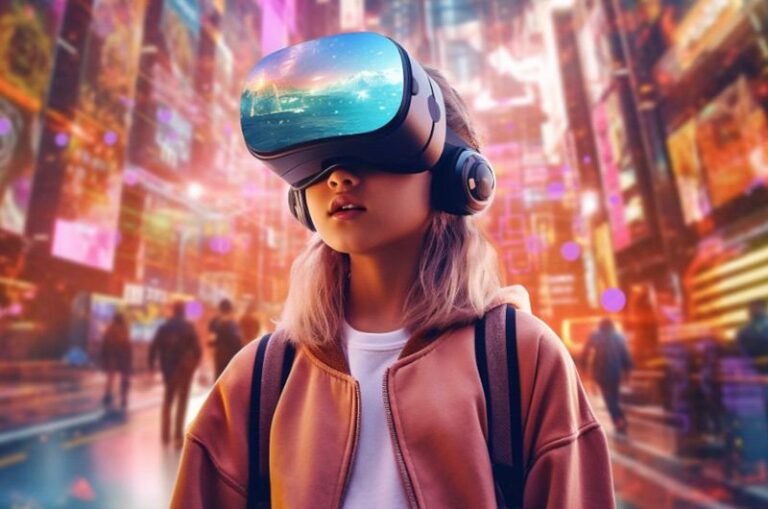
    • Immersive Worlds: VR plunges gamers directly into the game’s universe. This immersion offers realism and engagement that traditional consoles and PCs can’t match. Games like “Half-Life: Alyx” have already showcased the captivating potential of VR.
    • Physical Interaction: VR gaming often involves motion controls, allowing players to interact with the game environment physically. This provides a more intuitive and engaging play experience.
  2. Cloud Gaming:

    • Play Anywhere: Cloud gaming platforms like NVIDIA’s GeForce Now or Google’s Stadia free gamers from hardware constraints. With a stable internet connection, one can play high-end games on virtually any device, from smartphones to smart TVs.
    • Instant Updates & Expansions: Games exist on remote servers, meaning there’s no need for time-consuming downloads or updates. New content can be added seamlessly without user intervention.
  3. Haptic Feedback:

    • Feel the Game: Beyond simple vibrations, haptic technology allows players to feel nuanced sensations, from the tension of drawing a bowstring to the impact of a virtual raindrop on one’s hand.
    • Enhanced Realism: In conjunction with VR, haptic suits or gloves can heighten the realism, making players feel as though they’re genuinely part of the game world.

Looking Ahead: The convergence of VR, Cloud Gaming, and Haptic Feedback is creating a future where games are more accessible, realistic, and immersive than ever. As developers continue to experiment and innovate, the line between the virtual and real will blur, crafting experiences that are as emotionally resonant as they are technologically groundbreaking. The next era of gaming beckons, and it promises to be a journey like no other.