

Home Blog Page 12

The Future of Education: Trends and Innovations Shaping Learning

In today’s rapidly developing world, education is undergoing a significant transformation. With advancements in technology and changing societal needs, the future of education is being shaped by various trends and innovations. These developments are revolutionizing how we learn and preparing students for the challenges of tomorrow.

1. Personalized Learning

One of the significant trends in education is personalized education. This approach recognizes that each student has unique strengths, weaknesses, and learning styles. By tailoring instruction to individual needs, personalized learning promotes greater engagement and improves learning outcomes.

2. Online and Blended Learning

The rise of online and blended learning is another significant trend. With digital platforms and tools, students can access educational resources anytime, anywhere. Online courses, virtual classrooms, and interactive multimedia content provide flexibility and enhance the learning experience.

3. Artificial Intelligence (AI)

AI revolutionises education by providing intelligent tutoring systems, adaptive learning platforms, and personalized feedback. AI-powered tools analyze student data to identify areas for improvement and make customized recommendations. This technology enables educators to provide targeted support and improve learning outcomes.

4. Gamification

Gamification is the integration of game elements into the learning process. Learning becomes more engaging and interactive by adding game-like features such as rewards, challenges, and leaderboards. Gamification motivates students, encourages problem-solving skills, and promotes collaboration.

5. Virtual and Augmented Reality

Virtual and augmented reality technologies are changing the way students experience learning. Immersive simulations and virtual field trips allow students to explore complex concepts and environments. These technologies enhance understanding, spark creativity, and provide learning opportunities.

As we look to the future, these trends and innovations will continue to shape the education landscape. By embracing these developments, educators can create dynamic learning environments that empower students to thrive in a changing world.


Balancing Act: Juggling Work, Life, and Fitness

Life can often feel like a never-ending juggling act, with work, personal commitments, and maintaining a healthy lifestyle all vying for our attention. Finding the right balance can be challenging, but with a few simple strategies, it is possible to juggle work, life, and fitness effectively.

1. Prioritize and Plan

Start by identifying your priorities and setting realistic goals. Determine what is most important to you and allocate your time accordingly. Create a schedule or to-do list to help you stay organized and dedicate enough time to work, your personal life, and fitness.

2. Make Time for Fitness

Physical activity is crucial for maintaining a healthy lifestyle. Find activities that you enjoy and make them a priority. Schedule regular workouts or physical activities into your weekly routine. Consider incorporating exercise into your daily commute or taking short breaks to stretch and move.

3. Set Boundaries

It is essential to set boundaries between work and personal life. Establish designated work hours and try to stick to them. Avoid checking work emails or taking work calls outside of these hours. Similarly, when spending time with family or engaging in personal activities, be fully present and avoid distractions from work.

4. Delegate and Outsource

Recognize that you cannot do everything on your own. Delegate tasks at work and home to lighten your load. Consider outsourcing specific tasks, such as house cleaning or meal preparation, to free up more time for other priorities.

5. Practice Self-Care

Don’t forget to take care of yourself. Make time for activities that help you relax and recharge, such as reading, practicing mindfulness, or spending time in nature. Prioritizing self-care will help you maintain balance and prevent burnout.

Finding the right balance between work, life, and fitness is an ongoing process. Be flexible and willing to adjust your priorities as needed. With some planning and self-discipline, you can successfully juggle all aspects of your life and achieve a healthy balance.

Rethinking Standardized Testing: Alternatives and Improvements

Standardized testing has long been a controversial topic in education. Although it aims to provide a standardized measure of students’ knowledge and skills, many argue that it fails to capture the full range of students’ skills and abilities. As a result, there has been a growing call to revise standardized testing and explore alternative assessment methods that better align with the goals of education.

1. Performance-Based Assessments

An alternative to standardized testing is performance-based assessment. Rather than relying solely on multiple-choice questions, performance-based assessments allow students to demonstrate their knowledge and skills through real-world tasks and projects. This approach provides a more comprehensive picture of student abilities and encourages critical thinking, problem-solving, and creativity.

2. Portfolios

Another alternative is to use a portfolio. Portfolios are student work collections showing their progress and achievements over time. By including multiple assignments, projects, and reflections, portfolios provide a more comprehensive view of students’ abilities. They also allow for self-evaluation and reflection, developing metacognitive skills.

3. Authentic Assessments

Authentic assessments are assessments that reflect real-world contexts and tasks. These assessments require students to apply their knowledge and skills in meaningful ways. Examples of accurate assessments include simulations, case studies, and problem-solving tasks. By focusing on real-world applications, accurate assessments better prepare students for the challenges they will face outside the classroom.

4. Formative Assessment

Rather than relying solely on high-stakes summative assessments, incorporating formative assessment methods can provide valuable feedback to students and teachers. Formative assessments are ongoing assessments that inform instruction and help students track their progress. By providing timely feedback and opportunities for improvement, formative assessments foster a growth mindset and support personalized learning.

Finally, standardized testing has limitations, and exploring alternatives and improvements in assessment methods is essential. Performance-based assessments, portfolios, authentic assessments, and formative assessments offer more comprehensive and meaningful ways to assess student learning. By embracing these alternatives, we can better support students’ growth, develop critical thinking skills, and prepare them for success in the real world.

The Importance of Early Childhood Education for Lifelong Success

Early childhood education is essential in laying the foundation for a child’s future success. Research has shown that the first few years of a child’s life are critical to their development and learning. Investing in quality early childhood education programs can have lasting positive effects on a child’s cognitive, social, and emotional development.

One of the main benefits of early childhood education is the development of essential cognitive skills. During their early years, children’s brains are developing rapidly, and they have a remarkable capacity for learning. Early education programs provide a stimulating environment where children can engage in activities promoting language development, problem-solving, and critical thinking skills. These skills serve as building blocks for future academic success.

Additionally, early childhood education helps children develop essential social and emotional skills. In a structured and supportive environment, children learn to communicate, share, take turns and resolve conflicts with their peers. They also develop self-regulation skills, such as regulating their emotions and behaviour. These social and emotional skills are essential for building positive relationships, adjusting to new environments, and achieving success in school and beyond.

Early childhood education also plays a vital role in closing the achievement gap. Research shows that children from disadvantaged backgrounds often start school at a disadvantage compared to their peers. Quality early education programs can help level the playing field by providing these children with the support and resources they need to succeed academically. By addressing learning gaps early, early childhood education can help prevent future academic difficulties and increase the chances of lifelong success.

In conclusion, early childhood education is essential to a child’s future. Early education programs support children’s cognitive, social, and emotional development by providing a nurturing and stimulating environment. The benefits of early childhood education extend beyond the early years and have a lasting impact on a child’s lifelong success.

The Rise of Eco-Tourism: Exploring Nature Responsibly

Over the past few decades, there has been a significant rise in the popularity of eco-tourism. This form of travel focuses on exploring and experiencing nature while minimizing negative impacts on the environment. Eco-tourism offers travelers the opportunity to immerse themselves in the natural beauty of a destination while also supporting conservation efforts and local communities.

One of the key principles of eco-tourism is sustainability. This means that activities and accommodations are designed to have minimal impact on the environment. For example, eco-lodges are often built using sustainable materials and powered by renewable energy sources. Additionally, eco-tourism promotes responsible practices such as waste reduction, water conservation, and the protection of wildlife habitats.

Eco-tourism also emphasizes the importance of education and awareness. Travelers are encouraged to learn about the local ecosystems, cultural heritage, and conservation initiatives. This not only enhances the travel experience but also fosters a deeper understanding and appreciation for the natural world.

Another aspect of eco-tourism is supporting local communities. By choosing eco-friendly accommodations and participating in community-based tourism activities, travelers can contribute to the economic development of the destination. This helps to empower local people and preserve traditional cultures.

As the demand for sustainable travel options continues to grow, many destinations are embracing eco-tourism. National parks, wildlife reserves, and protected areas are becoming popular eco-tourism destinations, offering visitors the chance to witness breathtaking landscapes and unique biodiversity.

In conclusion, eco-tourism provides a responsible and sustainable way to explore and appreciate the natural world. By choosing eco-friendly travel options and supporting local communities, travelers can make a positive impact on the environment and contribute to the preservation of our planet’s precious resources.

Travel Hacks: Tips and Tricks for Smoother Journeys

Traveling can be an exciting adventure, but it can also come with its fair share of challenges. From packing efficiently to navigating airports, there are plenty of ways to make your journey smoother and more enjoyable. Here are some travel hacks to help you along the way:

1. Pack Light

One of the best ways to make your travels easier is to pack light. Only bring the essentials and leave room for souvenirs. Not only will this make it easier to carry your luggage, but it can also save you time and money by avoiding checked baggage fees.

2. Use Packing Cubes

Packing cubes are a game-changer when it comes to organizing your suitcase. These small, lightweight bags help you separate your clothes and keep everything tidy. It’s much easier to find what you need without having to dig through a messy suitcase.

3. Roll Your Clothes

Instead of folding your clothes, try rolling them. This not only saves space but also helps prevent wrinkles. Plus, it makes it easier to see what you have packed without having to unfold everything.

4. Bring a Portable Charger

Don’t let a dead phone or laptop ruin your trip. Invest in a portable charger to keep your devices powered up on the go. This way, you can stay connected and capture all those memorable moments without worrying about running out of battery.

5. Download Offline Maps

Before you travel, download offline maps of your destination. This way, you can navigate even without an internet connection. It’s a lifesaver when you’re in a foreign city and don’t want to rely on expensive data or Wi-Fi.

6. Pack a Travel Pillow and Eye Mask

If you’re planning on getting some shut-eye during your journey, pack a travel pillow and eye mask. These small comforts can make a world of difference in helping you rest and arrive at your destination feeling refreshed.

By following these travel hacks, you can make your journeys smoother and more enjoyable. Whether you’re a frequent flyer or an occasional traveler, these tips and tricks will help you navigate airports, pack efficiently, and stay organized. Bon voyage!

Stress-Busting Strategies: Managing Life’s Pressures for Better Health

Life can be full of pressures and stressors that affect our mental and physical well-being. From work deadlines to personal responsibilities, finding effective strategies to manage stress and maintain a healthy lifestyle is essential.

1. Prioritize Self-Care

Make time for self-care activities that help you relax and recharge. This can include engaging in hobbies, practising mindfulness or meditation, or simply taking a break to do something you enjoy.

2. Maintain a Healthy Lifestyle

Eating a balanced diet, regular exercise and enough sleep are all essential for managing stress. These healthy habits can boost mood, increase energy levels, and improve overall well-being.

3. Practice Stress-Relieving Techniques

Explore different stress-relieving techniques such as deep breathing exercises, progressive muscle relaxation, or yoga. These practices can help calm your mind and body, reducing stress and promoting peace.

4. Build a Support Network

Having a solid support network can provide a valuable source of emotional support and help you navigate through stressful situations. Reach out to friends and family or even seek professional help if needed.

5. Set Realistic Goals

Avoid overwhelming yourself with unrealistic expectations. Set achievable goals and break them down into smaller, manageable tasks. Celebrate your achievements along the way to maintain motivation and reduce stress.

6. Take Breaks

Regular breaks throughout the day can help prevent burnout and improve productivity. Step away from your work or responsibilities for a few minutes to clear your mind and recharge.

By incorporating these stress-busting strategies into your daily routine, you can better manage life’s pressures and improve your overall health and well-being. Remember, it’s important to prioritize self-care and seek support when needed. Take control of your stress and live a happier, healthier life.

Foodie Adventures: Exploring Culinary Delights Around the World

Are you a food lover? Do you enjoy exploring different cuisines and flavors from around the world? If so, then embarking on a foodie adventure is the perfect way to satisfy your taste buds and indulge in new culinary experiences.

Traveling to different countries allows you to immerse yourself in the local culture and traditions, and what better way to do that than through food? Each destination has its own unique dishes and flavors that are sure to tantalize your palate.

Start your foodie adventure in Asia, where you can savor the vibrant and aromatic street food of Thailand, indulge in the diverse flavors of Indian cuisine, or enjoy the delicate and fresh sushi in Japan.

Continue your culinary journey to Europe, where you can indulge in the rich and creamy cheeses of France, savor the mouthwatering pasta dishes of Italy, or treat yourself to the delectable pastries of Austria.

Head over to South America and discover the bold and spicy flavors of Mexican cuisine, taste the succulent grilled meats of Argentina, or try the unique and exotic fruits of Brazil.

Finally, don’t forget to explore the culinary delights of Africa, where you can enjoy the flavorful tagines of Morocco, sample the spicy dishes of Ethiopia, or indulge in the fresh seafood of South Africa.

Whether you’re a seasoned foodie or just starting your culinary journey, exploring the world through its cuisine is an adventure like no other. So pack your bags, prepare your taste buds, and get ready to embark on a foodie adventure that will leave you craving for more.

Cultural Immersion: Connecting with Locals on Your Travels

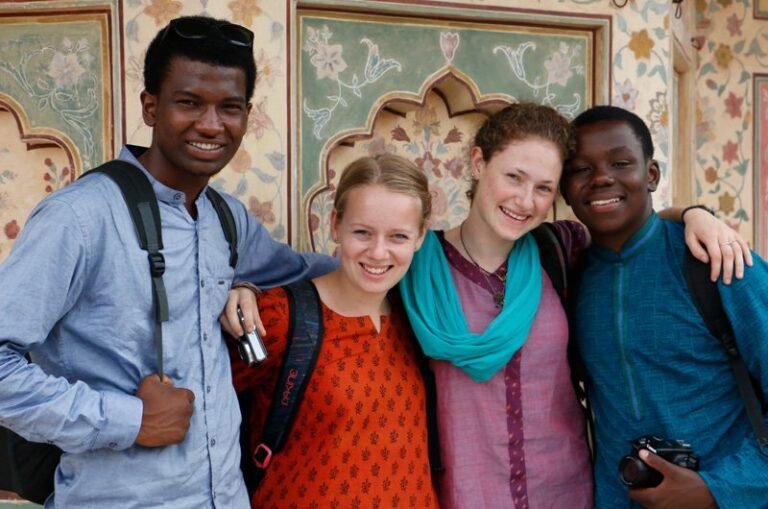
Traveling to new destinations is not only about exploring the sights and sounds, but also about immersing yourself in the local culture. One of the best ways to truly experience a new place is by connecting with the locals. By engaging with the people who call your destination home, you can gain a deeper understanding of their way of life, traditions, and values.

To start connecting with locals, it is important to be open-minded and respectful. Show genuine interest in their culture, customs, and traditions. Be willing to learn and adapt to their way of life. This can be as simple as learning a few basic phrases in their language or trying their local cuisine.

One of the easiest ways to meet locals is by staying in accommodations that offer a more authentic experience. Consider booking a homestay or a guesthouse run by locals. This not only provides you with a comfortable place to stay, but also allows you to interact with your hosts and learn from them.

Participating in local activities and events is another great way to connect with locals. Attend festivals, join a cooking class, or take part in a traditional dance workshop. These experiences not only allow you to learn new skills, but also provide an opportunity to engage with locals who share a passion for their culture.

Another way to connect with locals is by volunteering. Look for local organizations or community projects that could use your help. This could involve teaching English, assisting in environmental conservation efforts, or contributing to a local charity. Volunteering not only allows you to give back to the community, but also provides an avenue for meaningful connections with locals.

Lastly, be open to serendipitous encounters. Strike up conversations with locals at markets, cafes, or public transportation. Ask for recommendations on where to eat, what to see, or where to find hidden gems. Locals are often the best source of insider tips and recommendations that can make your trip even more memorable.

Remember, connecting with locals is not only about enriching your travel experience, but also about fostering cross-cultural understanding and appreciation. So, step out of your comfort zone, embrace the unknown, and embark on a journey of cultural immersion through connecting with locals on your travels.

Wanderlust 101: A Beginner’s Guide to Traveling the World

Are you ready to embark on an adventure of a lifetime? Traveling the world is an exciting and fulfilling experience that allows you to immerse yourself in different cultures, explore new places, and create lasting memories. If you’re a beginner with a serious case of wanderlust, here’s a guide to help you get started on your globetrotting journey.

1. Research and Plan

Before you set off on your travels, it’s important to do some research and plan your trip. Decide on the destinations you want to visit, the duration of your trip, and the budget you have in mind. Look for travel guides, blogs, and websites that provide valuable information about the places you’re interested in.

2. Save and Budget

Traveling can be expensive, so it’s essential to save and budget accordingly. Set aside a portion of your income each month specifically for your travel fund. Look for ways to cut back on expenses and find affordable accommodations and transportation options.

3. Pack Smart

When it comes to packing for your trip, less is more. Pack versatile clothing that can be mixed and matched, and don’t forget essentials like a good pair of walking shoes, a travel adapter, and a first aid kit. Research the weather conditions of your destinations to pack accordingly.

4. Embrace the Local Culture

One of the most rewarding aspects of traveling is immersing yourself in the local culture. Try the local cuisine, learn a few basic phrases in the local language, and respect the customs and traditions of the places you visit. This will enhance your travel experience and create meaningful connections with locals.

5. Stay Safe

While traveling is an exciting adventure, it’s important to prioritize your safety. Research the safety conditions of your destinations, be cautious of your belongings, and take necessary precautions. Stay aware of your surroundings and trust your instincts.

Remember, traveling the world is a personal journey, and everyone’s experience will be unique. Embrace the spontaneity, be open to new experiences, and make the most of every moment. Bon voyage!