

Home Blog Page 13

Social Media and Mental Health: Unpacking the Connection

Social media has become an integral part of our lives in today’s digital age. It allows us to connect with friends, share our experiences, and stay updated on current events. However, research suggests that social media use can have both positive and negative effects on mental health.

On the one hand, social media can provide a sense of belonging and support. It allows individuals to connect with like-minded people, join communities, and share their thoughts and feelings. This can be especially beneficial for people who feel isolated or have limited social interactions offline.

On the other hand, excessive use of social media has harmful effects on mental health. Studies have found a correlation between heavy social media use and increased feelings of depression, anxiety, and loneliness. Constant comparison to others, fear of missing out (FOMO), and pressure to present a perfect image can contribute to negative self-esteem and body image issues.

Additionally, social media can also be a platform for cyberbullying, which can have severe psychological consequences. The anonymity and distance provided by social media platforms can encourage individuals to engage in harmful behavior, leading to increased stress, anxiety, and even suicidal thoughts.

It’s important to note that social media itself is not inherently wrong for mental health. It’s the method we use that matters. We can minimize some of the adverse effects by being mindful of our social media habits and setting healthy boundaries. This includes limiting screen time, unfollowing accounts that make us feel inadequate, and prioritizing real-life connections.

Finally, the relationship between social media and mental health is complex. While it can provide a sense of connection and support, excessive use and negative experiences can contribute to mental health problems. By being aware of the potential risks and using social media mindfully, we can strive for healthier relationships with these platforms.

The Olympics: A History of Triumphs, Controversies, and Cultural Exchange

The Olympic Games have a rich history of triumphs, controversies, and cultural exchange. Dating back to ancient Greece, the Olympics have evolved into a global sporting event that brings together athletes worldwide.

One of the critical aspects of the Olympics is the spirit of competition and the pursuit of excellence. Athletes train for years to qualify and represent their countries worldwide. The Games have witnessed numerous triumphs, with athletes breaking records, achieving personal bests, and inspiring millions with their performances.

However, the Olympics have not been without controversies. Politics, doping scandals, and disputes over hosting rights have often overshadowed sporting achievements. From the boycotts of the Cold War era to the recent debates over human rights, the Games have been a platform for expressing social and political issues.

Yet, despite the controversies, the Olympics have also served as a platform for cultural exchange. Athletes from different countries and backgrounds come together, fostering understanding and promoting peace. The opening and closing ceremonies showcase the diversity of cultures, traditions, and artistic expressions worldwide.

The Olympics have also left a lasting legacy on host cities. Infrastructure development, urban regeneration, and economic benefits are often associated with hosting the Games. However, there have been concerns about these investments’ financial burden and long-term sustainability.

In conclusion, the Olympics have a storied history that encompasses triumphs, controversies, and cultural exchange. As the world gathers every four years to celebrate the spirit of competition, the Games continue to inspire and captivate audiences worldwide.

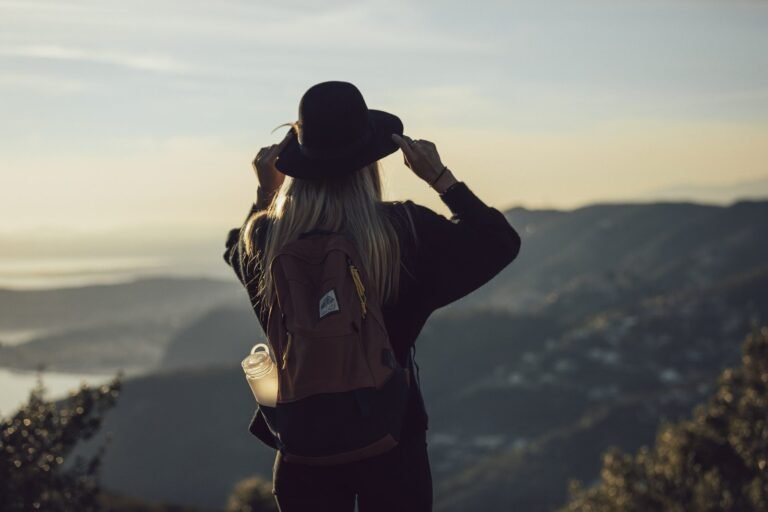
Solo Travel: Embracing Adventure and Self-Discovery

Traveling alone can be a transformative experience, allowing individuals to embrace adventure and embark on a journey of self-discovery. Whether it’s a weekend getaway or an extended trip, solo travel offers a unique opportunity to explore new places, meet new people, and challenge oneself.

One of the main benefits of solo travel is the freedom it provides. Without the need to compromise or accommodate others, solo travelers have the flexibility to create their own itineraries and pursue their own interests. This sense of independence can be empowering, as it allows individuals to fully immerse themselves in the experience and make decisions based solely on their own desires.

Another advantage of traveling alone is the opportunity to step out of one’s comfort zone. Solo travelers are often more open to meeting new people and trying new things, as they don’t have the security of a familiar companion. This can lead to unexpected encounters and meaningful connections with locals and fellow travelers, enriching the overall travel experience.

Solo travel also encourages self-reflection and personal growth. Being alone in a new environment allows individuals to gain a deeper understanding of themselves and their capabilities. It provides a chance to push boundaries, overcome challenges, and develop resilience. Through solo travel, one can learn to rely on their own instincts and develop a stronger sense of self-reliance.

While solo travel can be incredibly rewarding, it’s important to prioritize safety. Researching destinations, staying vigilant, and taking necessary precautions are essential when traveling alone. It’s also beneficial to stay connected with loved ones and share travel plans with them.

In conclusion, solo travel offers a unique opportunity to embrace adventure and embark on a journey of self-discovery. It provides freedom, encourages personal growth, and allows individuals to step out of their comfort zones. By embracing solo travel, one can create unforgettable memories and gain a deeper understanding of themselves and the world around them.

Bucket List Destinations: Must-See Places Before You Die

Creating a bucket list of must-see destinations is a highly personal endeavor, as different individuals have diverse interests and preferences when it comes to travel. However, here’s a list encompassing a variety of destinations across the globe that many people consider essential and awe-inspiring:

  1. Machu Picchu, Peru: Explore the ancient Incan city nestled in the Andes Mountains.
  2. The Great Wall of China, China: Walk along this iconic man-made structure with a history spanning over 2,000 years.
  3. The Pyramids of Giza, Egypt: Marvel at the last surviving wonder of the ancient world.
  4. Serengeti National Park, Tanzania: Witness the incredible wildlife and the annual migration of millions of animals.
  5. Taj Mahal, India: Visit this stunning white marble mausoleum, a symbol of eternal love.
  6. Bora Bora, French Polynesia: Relax in the luxury resorts and admire the turquoise waters and overwater bungalows.
  7. Santorini, Greece: Experience the beauty of the Cycladic architecture against the backdrop of the Aegean Sea.
  8. Galápagos Islands, Ecuador: Discover the unique wildlife that inspired Charles Darwin’s theory of evolution.
  9. Petra, Jordan: Explore the ancient city carved into rose-red cliffs.
  10. The Grand Canyon, USA: Behold the vastness and stunning landscapes of this natural wonder.
  11. Kyoto, Japan: Immerse yourself in traditional Japanese culture, temples, and serene gardens.
  12. Venice, Italy: Navigate the canals and experience the charm of this historic city.
  13. Antarctica: Encounter the pristine beauty of the world’s southernmost continent.
  14. The Great Barrier Reef, Australia: Dive into one of the most diverse ecosystems, home to thousands of marine species.
  15. Angkor Wat, Cambodia: Witness the intricate beauty of the largest religious monument in the world.
  16. The Northern Lights, Various locations: Experience the mesmerizing natural light display in polar regions.
  17. Easter Island, Chile: Discover the mysterious Moai statues and the island’s fascinating history.
  18. Yellowstone National Park, USA: Explore geysers, hot springs, and diverse wildlife in America’s first national park.
  19. Iceland: Witness stunning landscapes, including waterfalls, glaciers, and geothermal springs.
  20. The Amazon Rainforest, South America: Encounter unparalleled biodiversity in the world’s largest rainforest.

Remember, this list is just a starting point. The world is full of incredible destinations, each offering unique experiences and beauty worth exploring. Your bucket list should reflect your interests and passions, so feel free to add destinations that resonate with you the most!

Economic Recovery Post-COVID: Challenges and Opportunities

The Covid-19 pandemic has had a significant impact on economies around the world, causing widespread disruption and uncertainty. As countries try to recover from the economic downturn caused by the pandemic, they face many challenges and opportunities.

Challenges:

A key challenge in the post-Covid economic recovery is the high level of unemployment. Many businesses were forced to close or downsize during the pandemic, resulting in job losses. Governments must implement effective strategies to create new employment opportunities and support those who have lost their livelihoods.

Another challenge is the growing debt burden. Governments have had to borrow heavily to finance stimulus packages and support their economies during the crisis. As economies recover, managing and reducing this debt will be a priority to ensure long-term sustainability.

Additionally, the pandemic has exposed vulnerabilities in global supply chains. Many countries rely heavily on imports of essential goods, and supply chain disruptions have highlighted the need for greater self-sufficiency and flexibility.

Opportunities:

Despite the challenges, the post-Covid economic recovery also offers opportunities for growth and innovation. The pandemic has accelerated digital transformation, with businesses and consumers embracing online platforms for work, shopping, and entertainment. This change opens up new avenues for businesses to expand their reach and reach global markets.

Additionally, governments can invest in sustainable and green initiatives as part of their recovery plans. This includes supporting renewable energy projects, promoting environmentally friendly practices, and investing in green infrastructure. These measures not only contribute to economic growth but also address environmental concerns.

Additionally, the pandemic has highlighted the importance of healthcare systems and research. Governments can invest in strengthening healthcare infrastructure, improving access to quality healthcare, and supporting research and development in the medical field.

Finally, the post-Covid economic recovery comes with its challenges and offers opportunities for growth and innovation. By addressing challenges and seizing opportunities, countries can pave the way for a more resilient and sustainable future.

The Evolution of Sports: From Ancient Origins to Modern Times

Sports have been an integral part of human culture for thousands of years. From ancient civilizations to modern times, the evolution of sports has been a fascinating journey. Let’s take a look at how sports have evolved.

In ancient times, sports were often intertwined with religious rituals and ceremonies. The Greeks, for example, held the Olympic Games as a way to honor their gods. These games included various sports such as running, wrestling, and discus throwing. Similarly, the ancient Mayans played a ball game called “pok-a-tok,” which had religious significance and was played on a stone court.

As civilizations advanced, so did the sports they played. In medieval Europe, jousting tournaments became popular among knights, showcasing their skills and bravery. Archery competitions also gained popularity, as archers played a crucial role in warfare.

The Industrial Revolution brought about significant changes in sports. With the rise of factories and urbanization, people had more leisure time and access to organized sports. Establishing sports clubs and leagues allowed for structured competitions and the development of standardized rules.

In the 20th century, sports became a global phenomenon. The Olympic Games, revived in 1896, brought athletes worldwide to compete in various sports. The popularity of team sports, such as football (soccer), basketball, and cricket, soared, with professional leagues established worldwide.

Modern technology has also played a significant role in the evolution of sports. Equipment, training methods, and sports science advancements have pushed athletes to new heights. The introduction of video replay and instant replay technology has improved the accuracy of officiating in many sports.

Today, sports continue to captivate audiences worldwide. From traditional sports like football and basketball to emerging sports like esports, the world of sports is ever-evolving. As technology advances, who knows what the future holds for sports?

In conclusion, the evolution of sports from ancient origins to modern times is a testament to the enduring human fascination with competition, athleticism, and the pursuit of excellence. Whether it’s the ancient Olympic Games or the modern-day FIFA World Cup, sports have always been a reflection of our society and a source of inspiration for athletes and fans alike.

Achieving Your Fitness Goals: A Comprehensive Guide

Setting fitness goals is essential for leading a healthy and active lifestyle. Whether you want to lose weight, build muscle, improve endurance, or feel better, having a clear plan can significantly increase your chances of success. This comprehensive guide will explore the key steps to help you achieve your fitness goals.

1. Define Your Goals

Start by identifying your specific fitness goals. Be realistic and clear about what you want to achieve. For example, instead of saying, “I want to get fit,” set a goal, such as, “I want to run a 5K race in under 30 minutes.” A clear plan will help you stay focused and motivated throughout your fitness journey.

2. Create a Workout Plan

Once you have defined your goals, it’s time to create a workout plan. Consider your current fitness level, time availability, and preferences. Choose activities that you enjoy and that align with your goals. Include cardiovascular exercises, strength training, and flexibility exercises to ensure a well-rounded routine.

3. Track Your Progress

Monitoring your progress is crucial to staying on track and adjusting as needed. Record your workouts, noting the exercises, sets, and repetitions. Use a fitness app or journal to track your measurements, such as weight, body fat percentage, or waist circumference. Regularly reassess your goals to ensure they are still relevant, and adjust your plan accordingly.

4. Stay Consistent

Consistency is vital when it comes to achieving fitness goals. Make exercise a regular part of your routine and stick to your plan. Set a schedule and prioritize your workouts. Remember your goals and the benefits of staying committed even when you don’t feel motivated.

5. Fuel Your Body Properly

Proper nutrition is essential for reaching your fitness goals. Eat a balanced diet that includes a variety of fruits, vegetables, lean proteins, whole grains, and healthy fats. Stay hydrated by drinking plenty of water throughout the day. Consider consulting a registered dietitian for personalized guidance.

6. Get Support

Having a support system can significantly enhance your chances of success. Find a workout buddy or join a fitness class to stay motivated and accountable. Share your goals with friends and family who can offer encouragement and Support. Consider working with a personal trainer or coach to receive expert guidance and personalized workouts.

Remember, achieving your fitness goals requires time, effort, and dedication. Be patient with yourself and celebrate your progress along the way. With the right mindset and a well-structured plan, you can make significant strides towards a healthier and fitter you.

Hidden Gems: Off-the-Beaten-Path Destinations Worth Discovering

When it comes to travel, many people flock to popular tourist destinations, but sometimes the most memorable experiences can be found in off-the-beaten-path destinations. These hidden gems offer a unique and authentic travel experience that is often overlooked by the masses.

One such hidden gem is the charming town of Český Krumlov in the Czech Republic. With its picturesque cobblestone streets, medieval architecture, and stunning castle, Český Krumlov feels like a fairytale come to life. Explore the town’s narrow alleyways, visit the local museums, and take a leisurely stroll along the Vltava River for a truly magical experience.

If you’re a nature lover, consider visiting the Faroe Islands. Located in the North Atlantic Ocean, this remote archipelago is known for its rugged landscapes, dramatic cliffs, and breathtaking waterfalls. Hike to the top of Slættaratindur, the highest peak in the Faroe Islands, for panoramic views that will leave you in awe.

For a taste of history and culture, head to Luang Prabang in Laos. This UNESCO World Heritage Site is home to ancient temples, traditional wooden houses, and a vibrant night market. Wake up early to witness the daily alms-giving ceremony, where monks collect offerings from locals, or take a boat ride along the Mekong River to explore the surrounding countryside.

If you’re seeking a beach getaway, consider the pristine beaches of Zanzibar. Located off the coast of Tanzania, Zanzibar boasts crystal-clear turquoise waters, powdery white sand, and vibrant coral reefs. Snorkel or dive in the Indian Ocean to discover a colorful underwater world teeming with marine life.

These off-the-beaten-path destinations may not be on everyone’s radar, but they offer a truly unique and unforgettable travel experience. So, why not step off the well-trodden path and discover these hidden gems for yourself?

The Art of Slow Travel: Savoring Moments and Experiences

In today’s fast-paced world, where everything seems to be moving at lightning speed, the concept of slow travel has gained popularity. Slow travel is all about taking the time to truly immerse yourself in a destination, savoring each moment and experience along the way.

Unlike traditional tourism, which often focuses on checking off popular sights and attractions, slow travel encourages a deeper connection with the places you visit. It’s about slowing down, embracing a more relaxed pace, and allowing yourself to fully experience the local culture, cuisine, and way of life.

One of the key aspects of slow travel is spending more time in one place. Instead of rushing from one destination to another, take the time to explore a single location in depth. This allows you to develop a deeper understanding of the local community, connect with the people, and discover hidden gems that may be overlooked by more hurried travelers.

Another important element of slow travel is embracing a more sustainable approach. By staying longer in one place, you reduce your carbon footprint and have a chance to support local businesses and communities. This can include staying in locally-owned accommodations, dining at neighborhood restaurants, and shopping at local markets.

Slow travel also encourages a more mindful and intentional approach to experiencing a destination. Instead of being constantly focused on capturing the perfect Instagram photo or ticking off a checklist of must-see sights, slow travel invites you to be present in the moment. Take the time to savor the flavors of a local dish, engage in meaningful conversations with locals, or simply sit back and observe the rhythm of daily life.

In a world that often values speed and efficiency, slow travel offers a refreshing alternative. It’s about embracing a mindset of curiosity, openness, and appreciation for the small moments that make travel truly meaningful. So the next time you plan a trip, consider taking the road less traveled and savoring the journey along the way.

Packing Smart: Essential Items for Stress-Free Travel

Traveling can be an exciting and enriching experience, but it can also be stressful if you’re not properly prepared. One way to ensure a stress-free journey is by packing smart and bringing along essential items that will make your trip more comfortable and convenient. Here are some must-have items to consider for stress-free travel:

1. Travel Documents: Always carry your passport, identification, and any necessary visas or travel permits. It’s also a good idea to have copies of these documents stored securely in your email or cloud storage.

2. Travel Wallet: Keep all your important travel documents, such as boarding passes, hotel reservations, and currency, in a secure and organized travel wallet. This will save you time and stress when you need to access them quickly.

3. Portable Charger: Don’t let a dead phone or tablet ruin your travel plans. Invest in a portable charger to keep your devices powered up on the go. Look for one with multiple USB ports and a high capacity for longer trips.

4. Universal Adapter: Different countries have different plug types, so a universal adapter is essential for keeping your devices charged. Make sure it supports the plug types of the countries you’ll be visiting.

5. Travel Pillow and Blanket: Long flights or bus rides can be uncomfortable, but a travel pillow and blanket can make a big difference in getting some rest. Look for compact and lightweight options that are easy to pack.

6. First Aid Kit: It’s always better to be safe than sorry. Pack a small first aid kit with essentials like band-aids, pain relievers, and any necessary medications.

7. Snacks and Water Bottle: Hunger can strike at any time, so pack some healthy snacks like granola bars or nuts to keep you energized. Also, bring a reusable water bottle to stay hydrated throughout your journey.

8. Travel-sized Toiletries: Save space in your luggage by packing travel-sized toiletries like shampoo, conditioner, toothpaste, and sunscreen. Remember to comply with airline regulations regarding liquids.

9. Entertainment: Long layovers or delays can be boring, so bring along some entertainment options like books, magazines, or a tablet loaded with movies or games.

10. Travel Insurance: Protect yourself from unexpected expenses or emergencies by investing in travel insurance. It will give you peace of mind knowing that you’re covered in case of any unforeseen circumstances.

By packing these essential items, you’ll be well-prepared for stress-free travel. Remember to plan ahead, pack efficiently, and enjoy your journey to the fullest. Happy travels!